


Table of Contents
Navigating the Australian investment landscape can seem daunting at first glance. However, grasping its nuances proves pivotal for those aspiring to cultivate prosperity over time. Effective investing transcends mere profit-making; it fosters fiscal security and facilitates the realization of enduring objectives.
In this comprehensive guide, we will delve into the fundamentals of investing, explore various investment strategies, dissect the different investment vehicles available in Australia, discuss tax considerations, and examine current investment trends. By the end of this article, you’ll have a clearer understanding of how investments can generate wealth in the Australian context.

Fundamentals of Investing
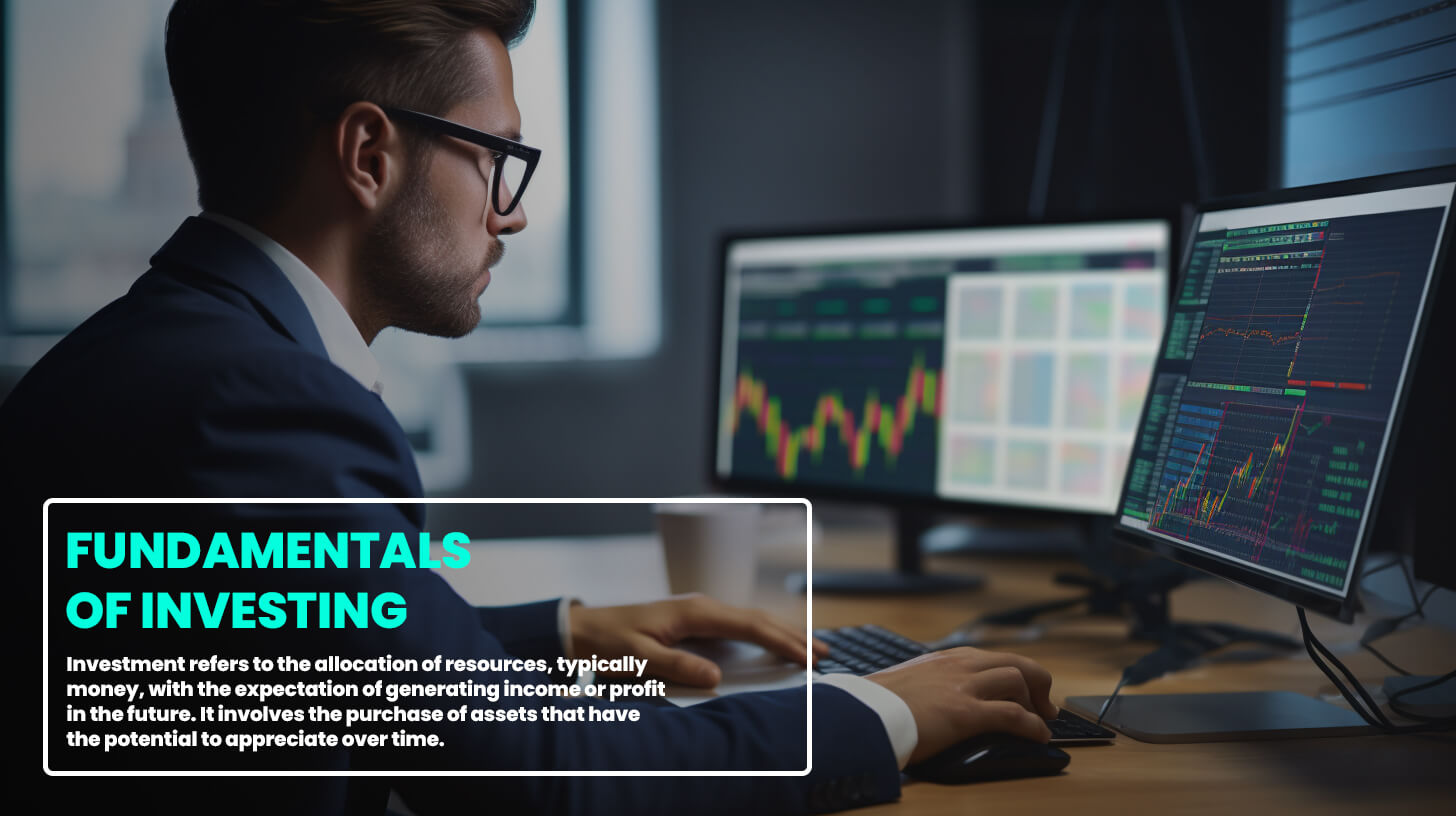
Investment refers to the allocation of resources, typically money, with the expectation of generating income or profit in the future. It involves the purchase of assets that have the potential to appreciate over time.
Types of Investments

Investors have a plethora of options when it comes to allocating their funds. These include stocks, bonds, real estate, mutual funds, and exchange-traded funds (ETFs), each with its own risk and return profile.
Stocks
Stocks represent ownership in a company and offer investors the opportunity to participate in its growth and profitability. They are traded on stock exchanges such as the Australian Securities Exchange (ASX).
Bonds
Bonds are debt securities issued by governments or corporations to raise capital. Investors receive periodic interest payments, known as coupons, and the principal amount is repaid at maturity.
Real Estate
Investing in real estate involves purchasing properties with the aim of generating rental income and/or capital appreciation. It is a tangible asset class that can provide diversification to a portfolio.
Mutual Funds
Mutual funds pool money from multiple investors to invest in a diversified portfolio of securities, managed by professional fund managers. They offer easy access to a variety of asset classes and investment strategies.
ETFs
ETFs are similar to mutual funds but trade on stock exchanges like individual stocks. They track various indices or sectors and provide investors with diversification and liquidity.
Risk and Return
Understanding the relationship between risk and return is fundamental to investing. Risk refers to the likelihood of losing money, while return is the profit earned on an investment.
Risk Assessment
Investors must assess their risk tolerance, which is the degree of variability in investment returns that they are willing to accept. Factors such as age, financial goals, and investment horizon influence risk tolerance.
Expected Returns
Expected returns are the gains investors anticipate from their investments over a certain period. They are influenced by factors such as economic conditions, market trends, and asset allocation.
Investment Strategies

Long-Term vs. Short-Term Investing
Investors can adopt either a long-term or short-term investment strategy, depending on their financial goals and risk tolerance. Long-term investing focuses on accumulating wealth over time, while short-term investing aims to capitalize on immediate market opportunities.
Diversification
Diversification involves spreading investments across different asset classes, sectors, and geographic regions to reduce risk. It is a key strategy for minimizing the impact of market volatility on a portfolio.
Asset Allocation
Asset allocation is the process of determining the optimal mix of asset classes based on investment objectives, risk tolerance, and time horizon. Common asset classes include stocks, bonds, real estate, and cash.
Geographic Diversification
Geographic diversification involves investing in assets located in different countries or regions to mitigate country-specific risks and take advantage of global opportunities.
Dollar-Cost Averaging
Dollar-cost averaging is an investment strategy where investors regularly invest a fixed amount of money regardless of market conditions. This approach helps smooth out the impact of market volatility over time.
Value Investing
Value investing involves identifying undervalued stocks or assets that have the potential to increase in value over the long term. It is based on the principle of buying low and selling high.
Growth Investing
Growth investing focuses on investing in companies with strong growth potential, often characterized by high revenue and earnings growth rates. It typically involves higher levels of risk but offers the potential for significant returns.
Income Investing
Income investing aims to generate regular income from investments, such as dividends from stocks, interest from bonds, or rental income from real estate. It is popular among retirees and investors seeking steady cash flow.
Investment Vehicles in Australia

Stock Market
The Australian stock market, represented by the ASX, is a primary avenue for investors to buy and sell shares of publicly traded companies. It offers a wide range of investment opportunities across various sectors and industries.
ASX (Australian Securities Exchange)
The ASX is one of the largest and most liquid stock exchanges in the Asia-Pacific region. It provides a platform for companies to raise capital through initial public offerings (IPOs) and for investors to trade securities.
Blue Chip Stocks
Blue chip stocks are shares of well-established companies with a history of stable earnings, strong balance sheets, and a track record of paying dividends. They are considered relatively safe investments compared to smaller, riskier companies.
Property Market
Investing in real estate is a popular wealth-building strategy in Australia, given the country’s strong property market and high demand for housing. Residential and commercial properties offer opportunities for rental income and capital appreciation.
Residential Real Estate
Investing in residential real estate involves purchasing properties such as houses, apartments, or condominiums for the purpose of renting them out or selling them for a profit.
Commercial Real Estate
Commercial real estate encompasses properties used for business purposes, such as office buildings, retail spaces, and industrial warehouses. It offers potential for higher rental yields but may also entail higher risks.
Superannuation Funds
Superannuation funds, or simply super funds, are investment vehicles designed to provide retirement income for Australians. They offer tax advantages and a range of investment options to help individuals save for their retirement.
Self-Managed Super Funds (SMSFs)
SMSFs are superannuation funds that are managed by individuals rather than professional fund managers. They offer greater control and flexibility over investment decisions but also come with additional responsibilities and compliance requirements.
Government Bonds
Government bonds are debt securities issued by the Australian government to raise funds for public spending. They are considered low-risk investments and provide fixed interest payments to investors.
Managed Funds
Managed funds pool money from multiple investors to invest in a diversified portfolio of assets, such as stocks, bonds, and real estate. They are managed by professional fund managers who make investment decisions on behalf of investors.
Peer-to-Peer Lending Platforms
Peer-to-peer lending platforms connect borrowers with individual investors willing to lend money in exchange for interest payments. They provide an alternative source of financing for borrowers and offer investors the opportunity to earn higher returns than traditional fixed-income investments.
Tax Considerations for Investments
Capital Gains Tax
Capital gains tax (CGT) is a tax levied on the profits earned from the sale of assets, such as stocks, real estate, and other investments. It applies to the difference between the purchase price and the sale price of the asset.
Dividend Imputation System
The dividend imputation system is a unique feature of the Australian tax system that allows shareholders to receive franking credits for the tax paid by companies on their profits. These credits can be used to offset personal income tax liabilities.
Negative Gearing
Negative gearing is a tax strategy where investors borrow money to finance investments, such as rental properties, with the aim of generating tax-deductible losses to offset other income. While it can provide tax benefits, it also involves risks and may not be suitable for all investors.
Tax Benefits of Superannuation Contributions
Contributions made to superannuation funds are generally taxed at a concessional rate, making them an attractive option for retirement savings. Additional tax benefits may be available for certain types of contributions, such as salary sacrificing and voluntary contributions.
Building a Wealth-Generating Investment Portfolio

Setting Investment Goals
Establishing clear investment goals is the first step in building a successful investment portfolio. Whether it’s saving for retirement, buying a home, or funding education expenses, having specific and measurable goals helps investors stay focused and motivated.
Assessing Risk Tolerance
Understanding your risk tolerance is essential for constructing a portfolio that aligns with your financial objectives and comfort level. It involves evaluating your willingness and ability to withstand fluctuations in the value of your investments.
Creating a Diversified Portfolio
Diversification is the cornerstone of sound investment strategy. By spreading investments across different asset classes, sectors, and geographic regions, investors can reduce overall portfolio risk and enhance long-term returns.
Regular Portfolio Review and Rebalancing
Periodic review and rebalancing of your investment portfolio are crucial for maintaining its alignment with your investment goals and risk tolerance. It involves assessing performance, adjusting asset allocations, and making necessary changes to optimize returns.
Investment Trends in Australia

Rise of Ethical Investing
Ethical investing, also known as socially responsible investing (SRI) or sustainable investing, is gaining traction in Australia as investors seek to align their investment decisions with their values and beliefs. It involves considering environmental, social, and governance (ESG) factors alongside financial returns.
Impact of Technological Advancements
Technological advancements, such as artificial intelligence, machine learning, and blockchain technology, are transforming the investment landscape in Australia. They are driving innovation, improving efficiency, and creating new opportunities for investors.
Emergence of Robo-Advisors
Robo-advisors are automated investment platforms that use algorithms and computer algorithms to provide personalized investment advice and portfolio management services. They offer convenience, low fees, and accessibility to a wide range of investors.
Sustainable Investing Practices
Sustainable investing practices, such as impact investing and green finance, are gaining momentum in Australia as investors become increasingly aware of environmental and social issues. They focus on investing in companies and projects that promote sustainability and positive societal impact.
Common Investment Pitfalls to Avoid
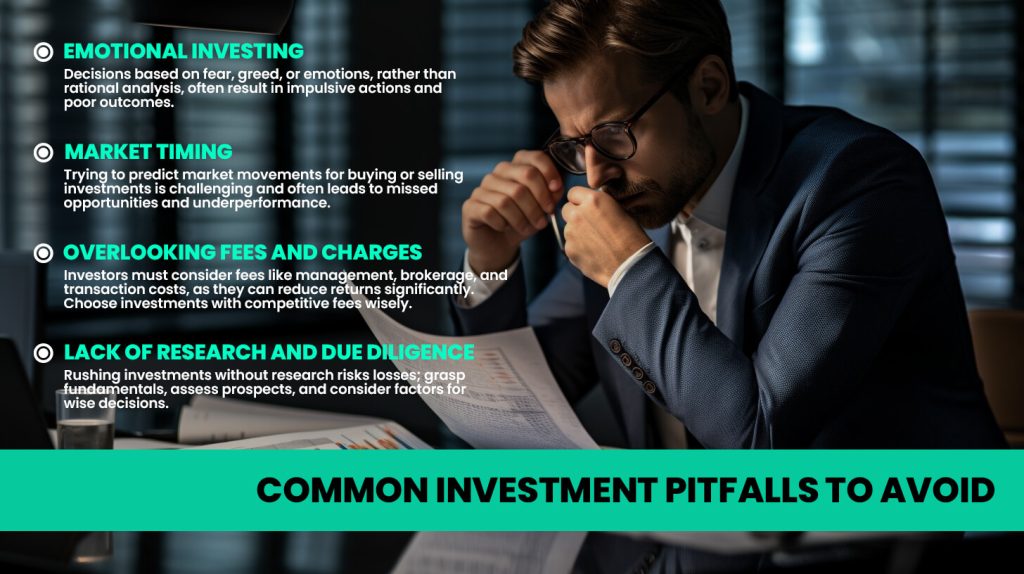
Emotional Investing
Emotional investing refers to making investment decisions based on fear, greed, or other psychological factors rather than objective analysis and rational judgment. It often leads to impulsive actions and poor investment outcomes.
Market Timing
Market timing is the attempt to predict future market movements and buy or sell investments accordingly. It is notoriously difficult to execute successfully and can result in missed opportunities and underperformance.
Overlooking Fees and Charges
Fees and charges associated with investments, such as management fees, brokerage fees, and transaction costs, can erode returns over time. It’s important for investors to carefully consider these costs and choose investments with competitive fees.
Lack of Research and Due Diligence
Investing without conducting thorough research and due diligence can expose investors to unnecessary risks and potential losses. It’s essential to understand the fundamentals of each investment, assess its prospects, and consider relevant factors before making investment decisions.
Case Studies of Successful Investors
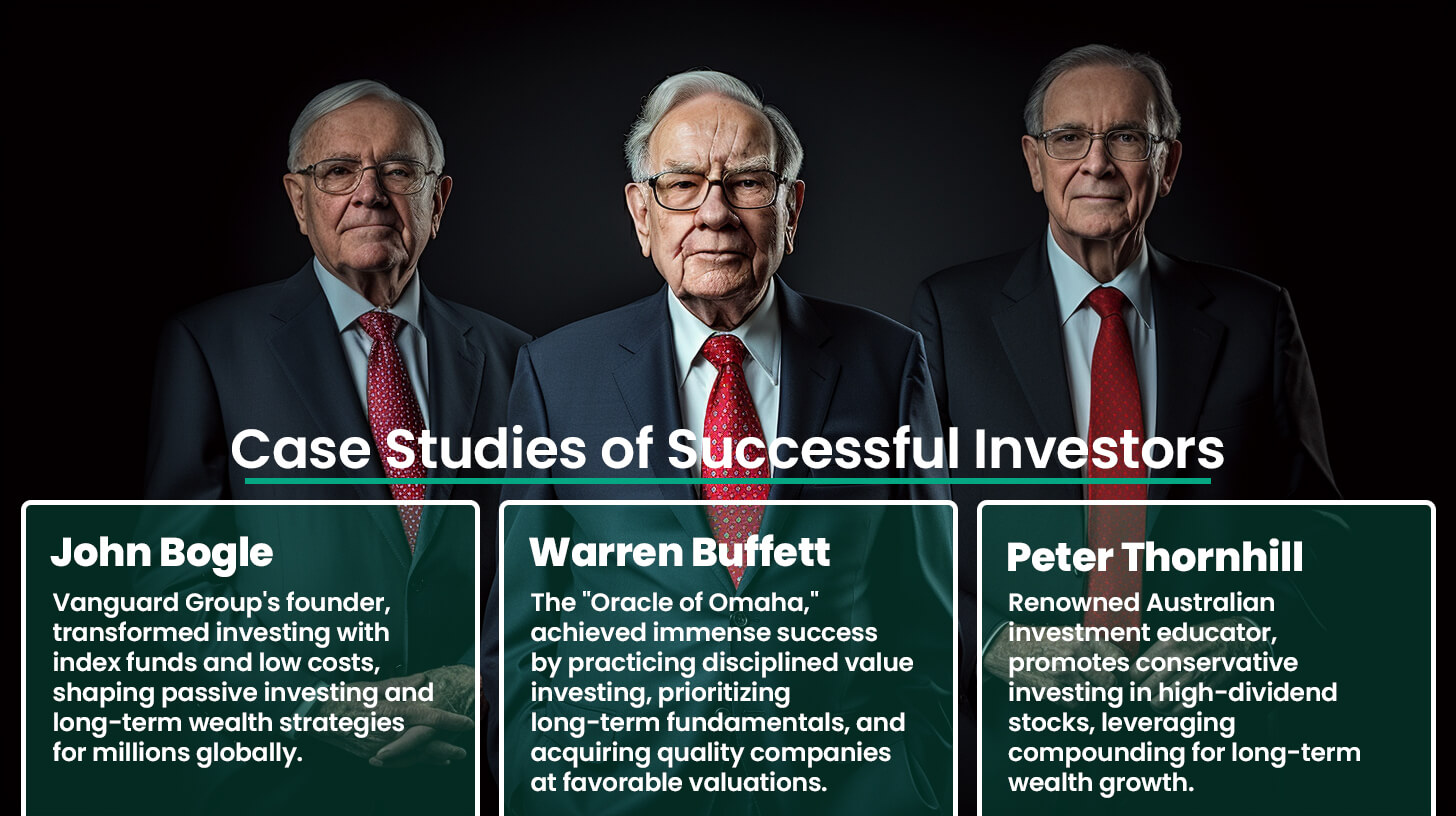
Warren Buffett
Warren Buffett, often referred to as the “Oracle of Omaha,” is one of the most successful investors of all time. He built his wealth through a disciplined approach to value investing, focusing on long-term fundamentals and buying quality companies at attractive prices.
Peter Thornhill
Peter Thornhill is an Australian investment educator and author known for his conservative investment philosophy. He advocates for investing in high-dividend-paying stocks and using the power of compounding to build wealth over time.
John Bogle
John Bogle, the founder of Vanguard Group, revolutionized the investment industry with the introduction of index funds and low-cost investing. His principles of passive investing and long-term wealth accumulation have influenced millions of investors worldwide.
Resources for Australian Investors
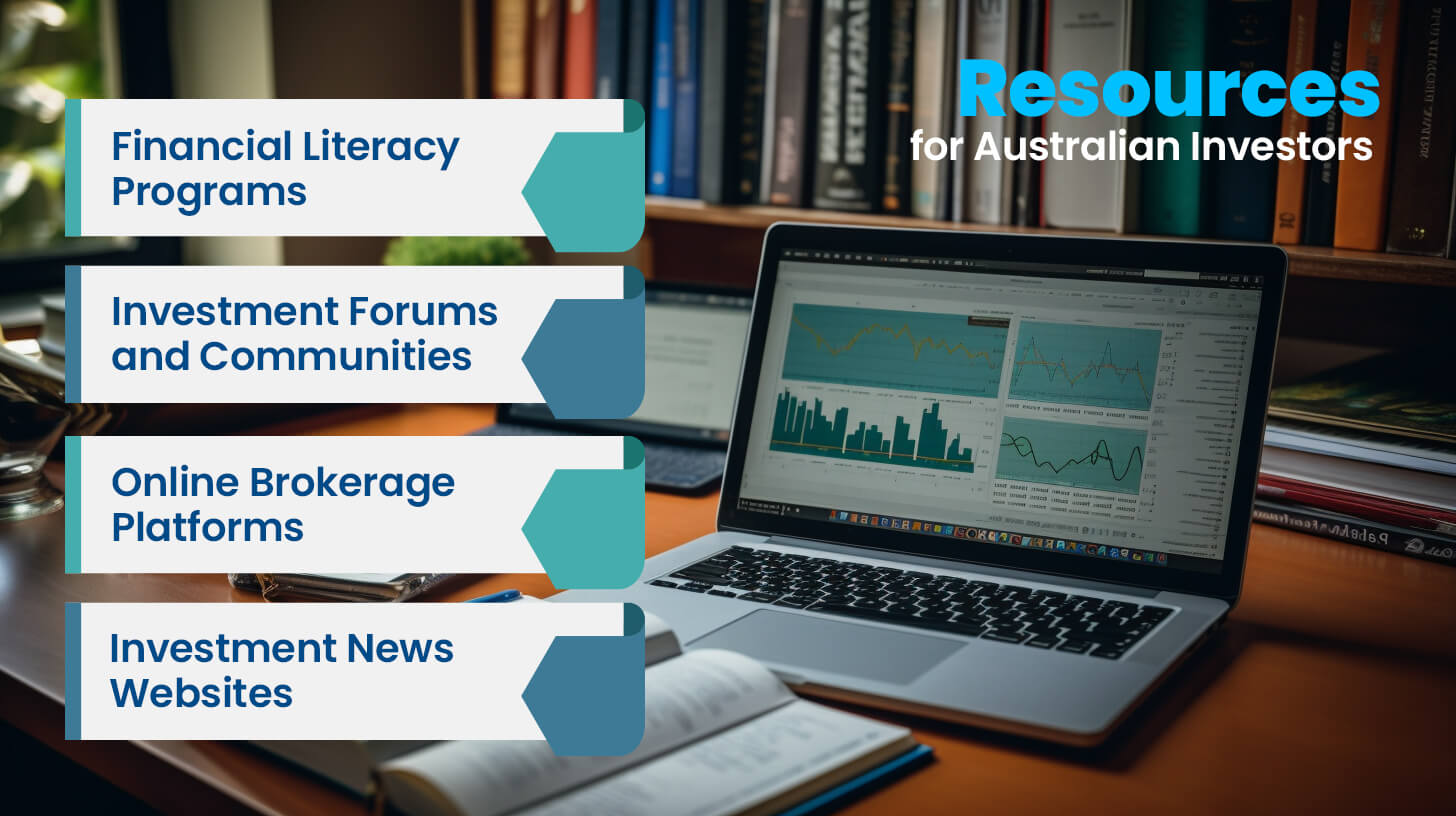
Financial Literacy Programs
Financial literacy programs and educational resources play a crucial role in empowering Australian investors to make informed financial decisions. They provide valuable information on investing, budgeting, saving, and managing personal finances.
Investment Forums and Communities
Online investment forums and communities offer a platform for Australian investors to share knowledge, exchange ideas, and seek advice from peers. They provide valuable insights, tips, and support for investors at all levels of experience.
Online Brokerage Platforms
Online brokerage platforms enable Australian investors to buy and sell securities, such as stocks, bonds, and ETFs, from the comfort of their homes. They offer a range of features, including research tools, trading platforms, and competitive pricing.
Investment News Websites
Investment news websites provide timely and relevant information on market trends, economic developments, company news, and investment strategies. They help Australian investors stay informed and make better investment decisions.
The Bottom Line
In conclusion, investing is a powerful tool for generating wealth and achieving financial independence in Australia. By understanding the fundamentals of investing, adopting sound investment strategies, and leveraging the diverse range of investment vehicles available, investors can build a robust portfolio that stands the test of time.
However, it’s important to be mindful of tax considerations, avoid common investment pitfalls, and stay abreast of emerging trends in the investment landscape. With careful planning, disciplined execution, and a long-term perspective, individuals can pave the way towards a prosperous financial future.

Valuable Insights On Property Development & Investment Opportunities
-

Top High Interest Short Term Investment Options for 2026
High Interest Savings Accounts for Liquid Cash Buffers Cash sleeve purpose and liquidity role High…
Read More -
Best Performing Managed Funds in Australia: Expert Tips & Strategies
Top-Performing Managed Funds in Australia: What Investors Need to Know In 2026, Australian investors are…
Read More -
Best Financial Advisor Perth: How to Choose the Right Expert for Your Goals
Financial Advisor Perth Key Criteria for Choosing the Best Adviser Choosing the best financial advisor…
Read More -
How to Make Money from Property Development in Australia: A Comprehensive Guide
High-Growth Cities Offering the Best Property Development Margins Australia’s property development landscape will be shaped…
Read More -
What Are the Best Low-Risk Investments in Australia for Beginners?
Low-Risk Investing in 2026: The Beginner Snapshot For Aussie beginners seeking low-risk investments in 2026,…
Read More


Our Project Site :


Exclusive waterfront living at the Lake Narracan Resort community.

Quick Links
The information provided is general in nature and does not constitute personal financial advice. The information has been prepared without taking into account your personal objectives, financial situation or needs. Before acting on any information on this website you should consider the appropriateness of the information having regard to your own objectives, financial situation and needs. All statements made on this website are made in good faith and we believe them to be accurate and reliable however do not guarantee its currency. You should seek legal or other professional advice before acting or relying on any of the content.
Please note that past performance may not be indicative of future results. Different types of investments involve varying degrees of risk, and there can be no assurance that the future performance of any specific investment, investment strategy, or product made reference to directly or indirectly on our website, blogs , newsletters.
Our Project Site :

Find premium land developments and new estates across Australia.
Exclusive waterfront living at the Lake Narracan Resort community.

Quick Links
The information provided on this website including blogs is general in nature and does not constitute personal financial advice. The information has been prepared without taking into account your personal objectives, financial situation or needs. Before acting on any information on this website you should consider the appropriateness of the information having regard to your own objectives, financial situation and needs. All statements made on this website are made in good faith and we believe them to be accurate and reliable however do not guarantee its currency. You should seek legal or other professional advice before acting or relying on any of the content.